

Jinxin Company was founded in 1997. It covers a total area of 60,000 square meters and has investment companies such as Suzhou Hanli, Hongnan Shentong and Runxin Hardware under its umbrella.
Brass sleeves are widely used in electrical equipment. In addition, they can also be used in the low-temperature pipelines of oxygen production equipment. Today, I'm here to explain to you all the processing advantages of brass sleeves. Electric welding and connection firmness!
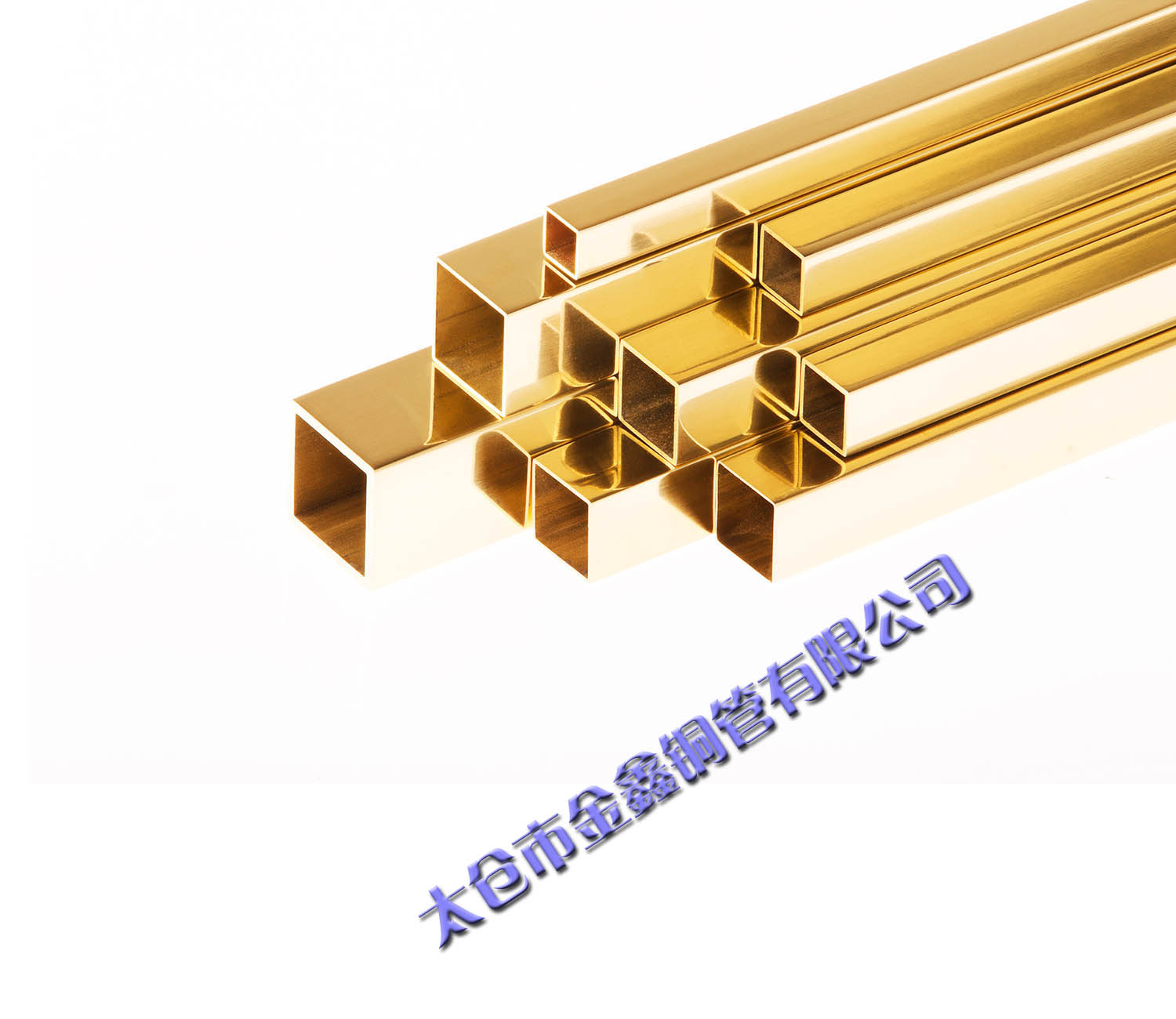
1. Phosphorus deoxidized copper tube. Advantages of the smelting plant and casting process: The smelting plant uses a direct current cored induction furnace. In high-temperature weather, pure copper has a strong gas absorption capacity. During the smelting process, the gas source should be minimized as much as possible. Calcined charcoal can be used as a water solution, and phosphorus can also be used as a deoxidizer. Moreover, the entire forging process should be carried out under N2 maintenance or covered with soot. Forming characteristics and advantages: It has excellent cold resistance. The characteristics of the heat treatment process enable it to stop precision stamping. Drawing. Squeezing. Deep drawing. Bending and stamping dies, etc. Characteristics and advantages of electric welding: It is conducive to fiber fusion welding. Gas maintenance welding should be carried out, but resistance corner welding should not be stopped.
2. Full air conditioning copper tubes. Advantages of smelting plants and casting processes: Smelting is carried out using forging heating furnaces or direct current core-fed medium-frequency induction furnaces. Forming characteristics and advantages: It has effective cooling. The characteristics of heat treatment processes can be produced by various traditional manufacturing techniques, such as drawing. Injection molding processing. Low alloy aluminum plates, etc. The characteristics and advantages of electric welding: It is beneficial to solder wire. Soldering can also stop gas maintenance soldering. Shine welding. Electron beam welding machine and oxygen cutting.
The electric welding steps for brass bushings are roughly the same as those for copper tubes. The difference lies in that the electrodes used in the electric welding of brass bushings are standardized, and after the selected electrodes meet the requirements, flux paste must also be used as an auxiliary. When brass sleeves are welded by electric welding, the flame used is a carbonization flame. The sequence of electric welding is as shown in the illustration: Apply the flux paste to the position that must be welded by electric welding, and then increase the temperature. After heating up, the flux has long melted and turned into a liquid. At this point, the heated electrode can be immediately placed into the welding position.
In addition, taking the brass sleeve heat exchanger as an example, the general service life of a heat exchanger is two months. However, if one wants the brass sleeve to have a long service life, professional equipment maintenance and management workers need to disassemble or correct the lead rods immediately and make adjustments promptly. Disassemble the main guide rail and the buffer idler roller.