
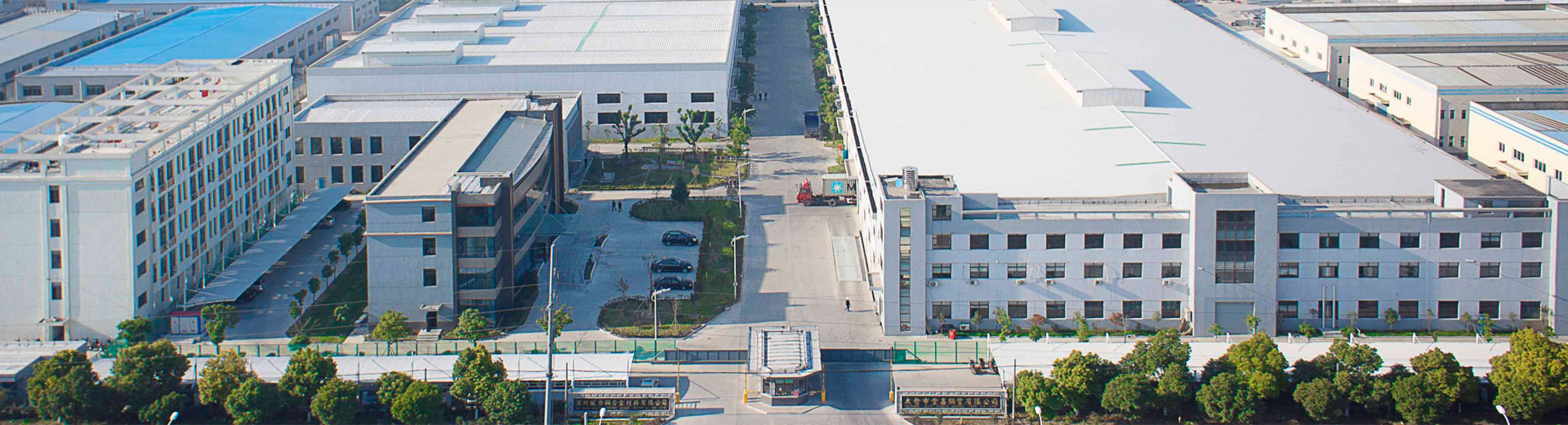
Jinxin Company was founded in 1997. It covers a total area of 60,000 square meters and has investment companies such as Suzhou Hanli, Hongnan Shentong and Runxin Hardware under its umbrella.
The principles of brass rod manufacturing
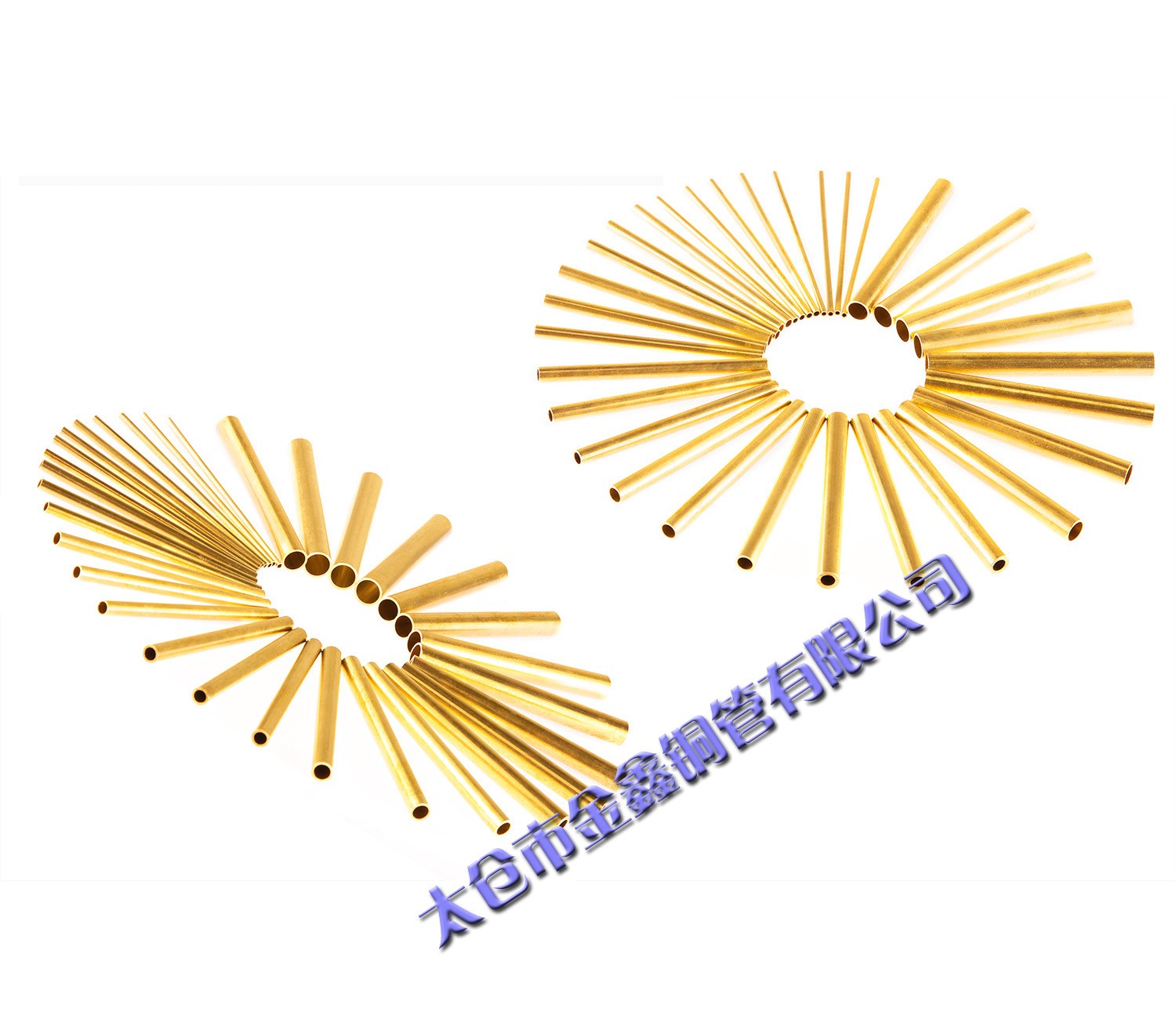
1.All elements without exception reduce the electrical and thermal conductivity of the copper rod. Any element that dissolves in the copper rod causes lattice distortion of the copper rod, resulting in wave scattering when free electrons flow directionally and increasing the resistivity. On the contrary, elements that have no solid solubility or very little solid solubility in the copper rod have little effect on the electrical and thermal conductivity of the copper rod It should be particularly noted that the solid solubility of some elements in copper rods decreases sharply with the drop in temperature, precipitating as single substances and metal compounds. This not only strengthens the copper rod alloy through solid solution and dispersion but also has little effect on the reduction of electrical conductivity. This is an important alloying principle for the study of high-strength and high-conductivity alloys. It should be particularly pointed out here that the alloy composed of iron, silicon, chromium and copper rods is an extremely important high-strength and high-conductivity alloy. Since the influence of alloying elements on the performance of copper rods is superimposed, among them, the CoCr-Zr series alloys are well-known high-strength and high-conductivity alloys;
2. The microstructure of copper-based corrosion-resistant alloys should all be single-phase to avoid the appearance of a second phase in the alloy causing electrochemical corrosion. For this reason, the alloying elements added should all have a high solid solubility in the copper rods, and even be infinitely miscible elements. The single-phase brass rods, bronze rods, and white copper rods used in engineering applications all have excellent corrosion resistance and are important heat exchange materials.